

Where Should You Install an EV Charger at Home?

Connor Priestman
Licensed Electrican
Just bought a new electric vehicle (EV) and want the convenience of charging at home? Installing a home EV charger can make everyday EV charging easier, faster and more cost-effective, giving you the ultimate convenience of topping up overnight instead of relying on public charging stations.
Before you install an EV charger, one of the biggest decisions is where it should go. Voltaic Electrical can help you understand how your parking spot, home power supply, switchboard distance and indoor or outdoor setup can affect the best location for your charger.
By the end of this blog, you’ll know where to install your EV charger at home, what affects the cost and how to choose a spot that makes charging safer and easier every day.
Table of Contents
Best Installation Locations For A Home EV Charger
The best place to install an EV charger is usually close to where you park your electric vehicle every day. A good location should be easy to access, safe for the charging cable, suitable for your home power supply and practical for your daily driving habits.
For most homes, the best EV charger placement will be in one of these areas.
Garage
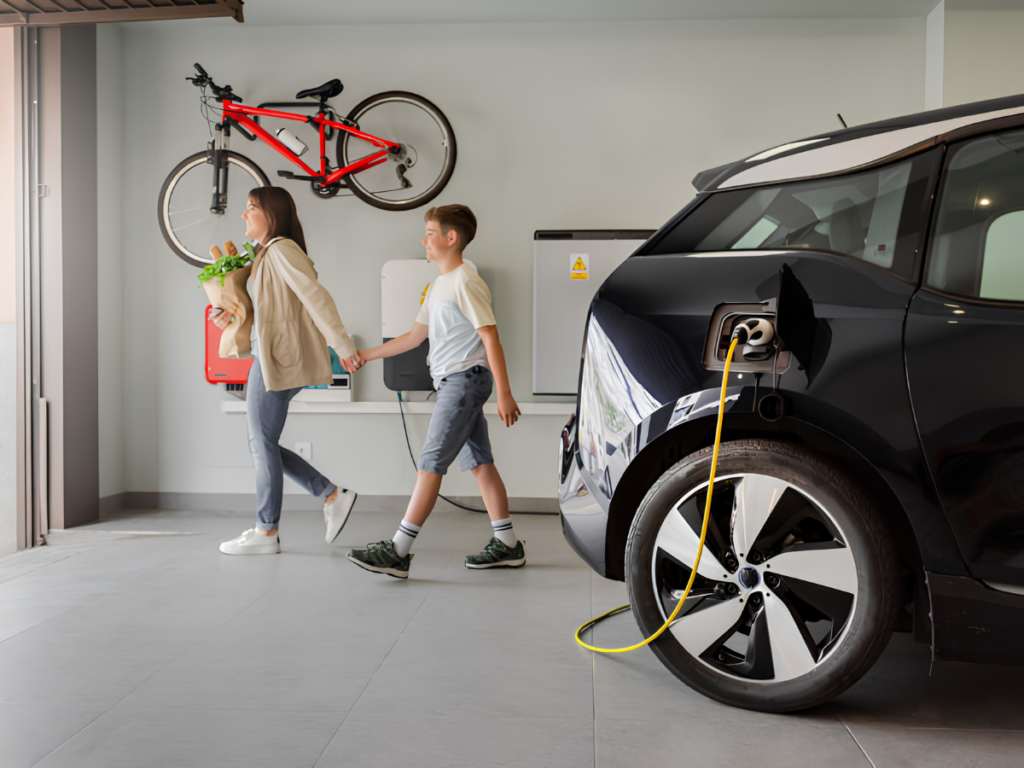
A garage is often one of the most convenient places to install a home EV charger, especially if this is where you usually park your vehicle overnight. It keeps the charger protected from the weather, reduces exposure to damage and makes cable management easier.
This location can also suit EV owners who want a tidy, secure home charging setup that is easy to use every day.
Carport
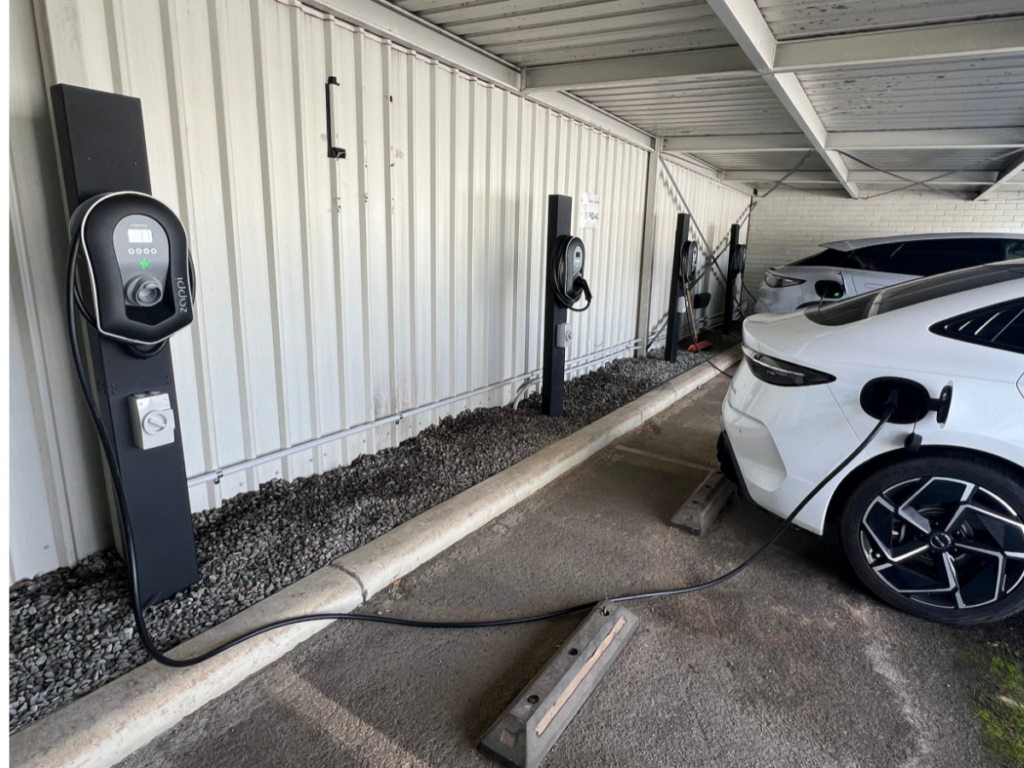
A carport can be a practical option if you do not have a fully enclosed garage but still want some weather protection. It gives you easy access to your EV charger while helping to shelter the charger and charging cable from direct sun and rain.
This can be a good middle-ground option for homes with off-street parking close to the house.
Driveway Or External Wall

If you usually park in the driveway, installing an EV charger on an external wall may be the most convenient choice. This allows you to charge your EV where you already park, without needing to move the vehicle into a garage or carport.
The main thing to consider is whether the charger will be protected, easy to access and positioned so the cable does not cross walkways or create a trip hazard.
Near The Switchboard Where Possible
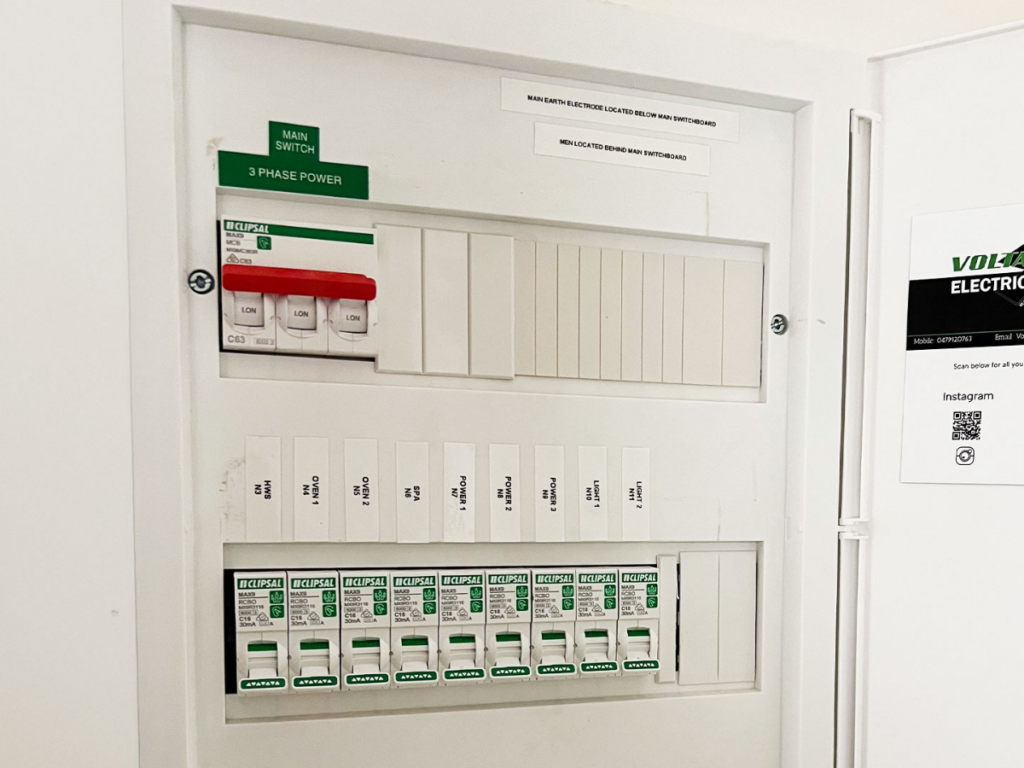
While the charger should be close to your parking spot, it also helps if the location is reasonably close to your switchboard. A shorter cable run can make the installation process simpler and may help reduce installation costs.
A licensed electrician can assess your electrical system, power supply and parking layout to recommend a safe, cost-effective location for your home EV charger.
Things To Consider Before Deciding Where to Install An EV Charger
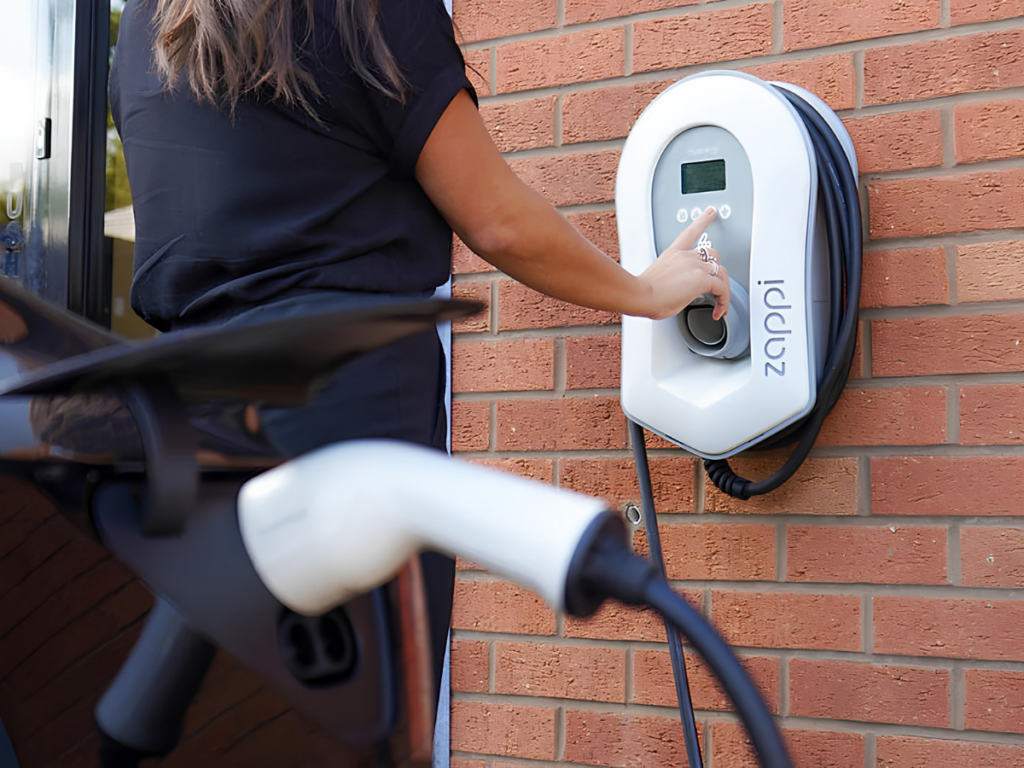
Before choosing where to install your EV charger, it helps to think about how you will use it on a day-to-day basis. The right EV charger placement should suit your parking spot, charging habits, home power supply and future energy needs.
Where You Usually Park
Your EV charger should be placed where it suits your everyday parking routine, not just where it looks neat or is easiest to install. Consider where your electric vehicle is parked most often, whether that changes between day and night, and whether the charging cable can reach comfortably without blocking access around the home.
Your Driving And Charging Habits
For many EV drivers, the right setup will depend on driving range, battery capacity and how often they need to fully charge their vehicle. A dedicated EV home charger can offer faster charging than a standard power point, helping reduce charging time for everyday use. The type of EV charger you choose can also affect how quickly and conveniently you can charge at home.
It is also worth thinking about when you are most likely to charge. Some EV owners prefer to charge during off-peak times, while others may want to use excess solar power during the day to help reduce running costs.
Your Home Power Supply
Your home power supply can influence the charger, power output and installation requirements. A licensed electrician can assess your electrical system, switchboard and whether your home uses single-phase power or three-phase power.
Homes with 3-phase power may be able to support more power chargers, which subsequently charge the car much faster.
Some homes may only need a basic installation or standard installation, while others may require additional work depending on the switchboard, available electricity supply and charger location. Professional installation by certified electricians helps ensure the setup is safe, compliant and suitable for future energy needs.
Solar And Smart Charging Options
If your home has solar panels, a solar battery or a home solar system, your EV charger placement may also need to support smart charging. Smart chargers can help you make better use of excess power, track your EV’s charging status and use more renewable energy from your home during the day.
Some smart chargers also connect to Wi-Fi, allowing you to monitor charging, schedule off-peak times and better understand how much energy your EV is using at home.
How The Distance From the Meterbox Can Affect Your EV Charger Installation
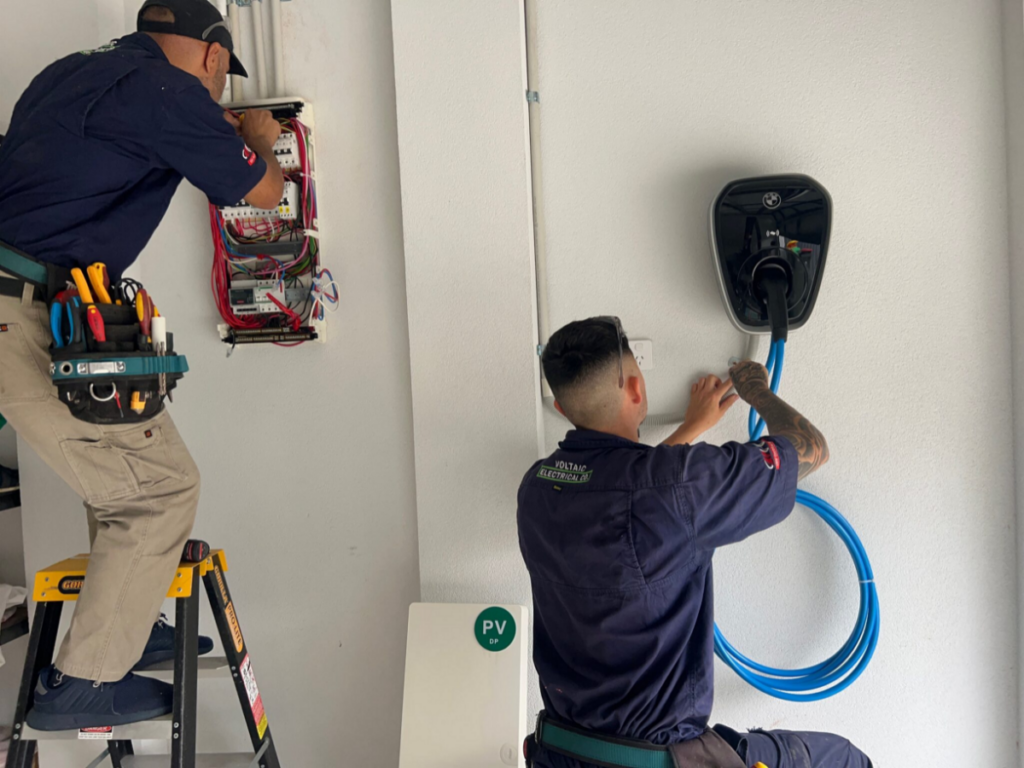
The distance between your switchboard (usually housed within your meter box), EV charger, and parking spot can have a big impact on the installation process. In many homes, a shorter cable run may make the installation more straightforward, while longer distances can increase the installation complexity, labour and materials.
If your charger needs to be installed further away from your switchboard, your electrician may need to allow for additional electrical containment, cabling or civil works. This can affect the overall installation cost, especially if the cable needs to travel through walls, ceilings, outdoor areas or underground pathways.
That does not mean your EV charger has to be installed right next to the switchboard. The goal is to find a practical balance between convenience, safety and cost. Your charger should still be close enough to your vehicle for easy everyday home charging, without creating issues with cable access or walkways.
A licensed electrician can assess your home layout and recommend the most cost-effective location for your charger installation, while making sure the setup is safe, compliant and suitable for your power supply.
Electrical Requirements For EV Charger Placement
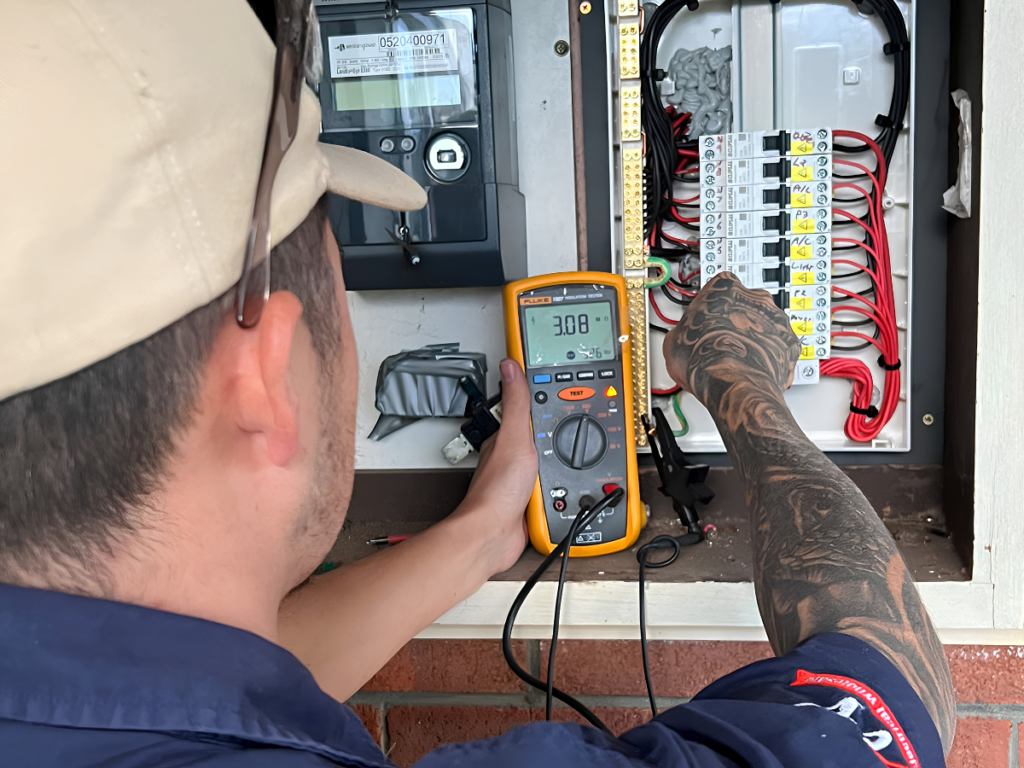
Your EV charger placement needs to work with your home’s electrical system, not just your parking layout. Before installation, a licensed electrician can assess your switchboard, home power supply and the type of charger you want to install.
Key electrical factors may include:
- Switchboard capacity: Your switchboard needs to support the extra demand from EV charging.
- Single-phase or three-phase power: This can affect the charger type, power output and charging speed available.
- Dedicated circuit: A home EV charger will usually need its own dedicated circuit for safer, more reliable charging.
- Australian Standards: Your installation must meet relevant safety requirements and local regulations.
- Future energy needs: Solar panels, a solar battery, or a second EV may influence the best setup.
Understanding these EV charger installation requirements early can help you choose a location that works safely with your switchboard, power supply and future energy needs.
Indoor Vs Outdoor EV Charger Installation

Choosing between an indoor or outdoor EV charger usually depends on where you park, how protected the area is and what will be easiest to use every day. Both options can offer reliable home charging. The main difference is usually convenience, weather protection and installation requirements, rather than the charging speed itself.
| Indoor EV Charger | Outdoor EV Charger | |
|---|---|---|
| Best suited for | Homes where the electric vehicle is usually parked in a garage. | Homes where the EV is usually parked in a driveway, carport or open off-street parking area. |
| Main benefits | Offers weather protection, easier cable storage and a tidy setup for overnight charging. | Can provide more flexibility for charger placement, access and cable management, especially in larger driveways, carports or outdoor parking areas. |
| Installation considerations | May be simpler if the garage is close to the switchboard and home power supply. | May involve additional costs if extra weather protection, cabling or electrical containment is needed. |
| Future use | Can work well for a dedicated charger, smart charging and regular EV battery top-ups during off-peak hours. | Can be planned with future-proofing in mind, such as allowing space for a second EV, upgraded charger or solar-connected charging setup later. |
The right spot is the one that makes charging feel simple, safe and easy to fit into your everyday routine.
Need Help Choosing The Best Home EV Charger Location?
Finding the right spot for your EV charger does not need to feel like a guessing game. With the right advice, you can choose a location that suits your parking setup, power supply, charging habits and future energy needs.
The team at Voltaic Electrical can help you plan a safe, practical and cost-effective EV charger installation for your home. When you are ready to make charging at home simple, get in touch with Voltaic Electrical to discuss your installation.
Frequently Asked Questions
Home charging is often more cost-effective than public charging, especially if you can charge during off-peak times or use excess solar power. The exact cost will depend on your electricity retailer, electricity plan, charger type and how much energy your EV needs to charge.
Common EV charger installation mistakes can include choosing the wrong location, overlooking switchboard capacity, using an unlicensed installer or failing to consider future charging needs. Understanding these EV charger installation mistakes before installation can help you choose a safer, more practical location for your home charger.
It can. If you choose a smart charger with app-connected features, the charger may need a reliable Wi-Fi connection to monitor charging, schedule off-peak times and track your EV’s charging status. If the signal is weak in your garage, carport or driveway, this may affect where the charger is installed or whether a Wi-Fi extender is needed.
The best EV charger for your home will depend on your electric vehicle, home power supply, driving habits, solar setup and whether you want smart charging features. Some EV owners may only need a simple dedicated charger, while others may benefit from a charger that connects with solar panels, a solar battery or app-based monitoring.
Charging time depends on your EV battery capacity, charger type and home power supply. A standard power outlet can take up to 48 hours to fully charge your EV, while a dedicated home EV charger can charge much faster, helping you wake up to a charged EV that is ready for everyday driving.
More Resources

How Much Does a Switchboard Upgrade Cost in Perth?
Upgrading your switchboard is essential for safety, reliability, and compliance with modern electrical standards.

EV Charger Installation Requirements for Perth Homes
In this guide, we’ll walk you through meeting EV charger installation requirements and regulations in Perth.

7 Common Signs You Need a Switchboard Replacement
Here are the most common signs it’s time to replace or upgrade your switchboard—especially if you're in Perth and rely on modern appliances or high energy loads.

Electrical Safety Tips Every Homeowner Should Know
Most Perth homeowners don't think about their electrical system until something goes wrong. A tripping safety switch, a warm power point, and a slight burning smell from the switchboard. By then, the problem has often been developing for a while. Electrical safety isn't about being overly cautious. It's about understanding the real risks inside your…
What Counts as an Electrical Emergency?
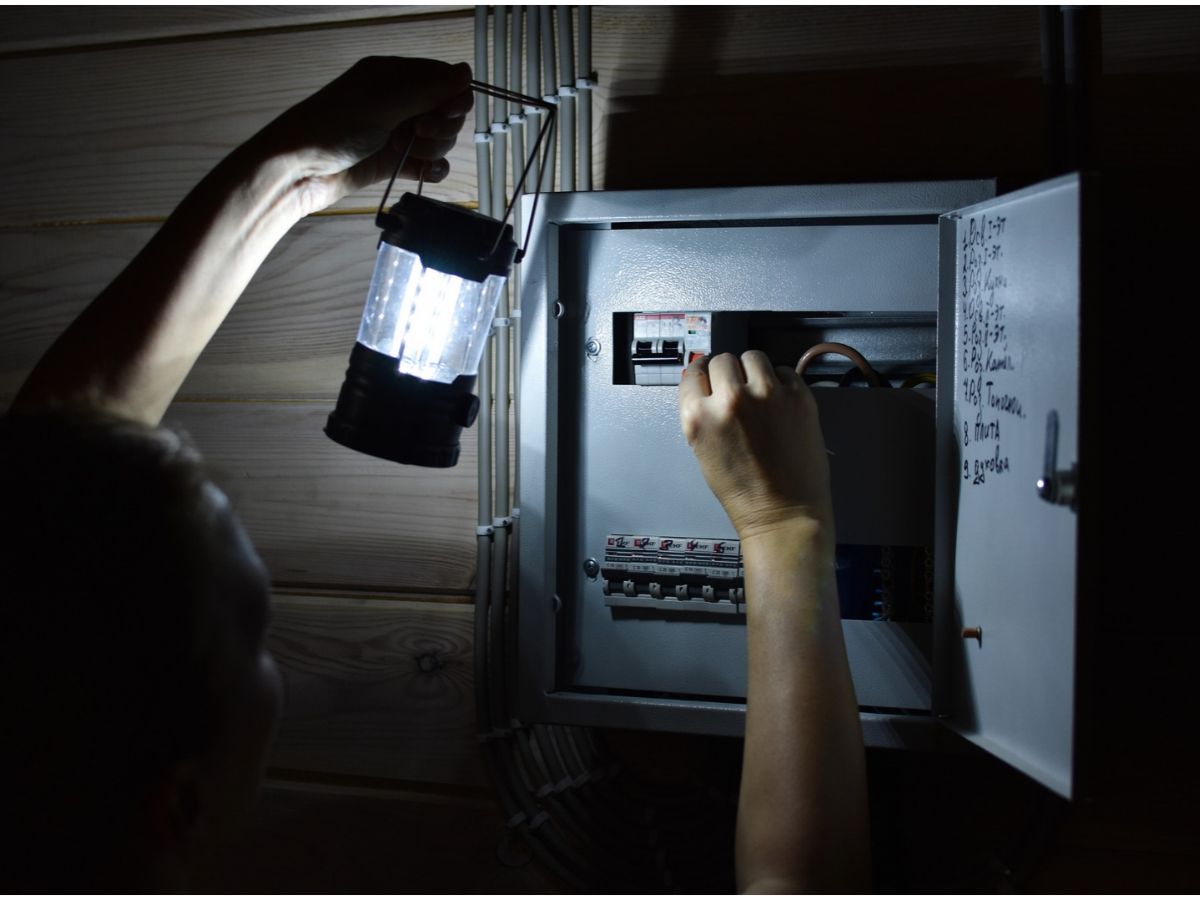
If you can smell burning, see sparks or feel a shock, treat it as an electrical emergency. An electrical emergency is any electrical fault that puts people or property at immediate risk of fire, electric shock or injury. Call a licensed electrician straight away for burning smells, sparks, a smoking switchboard or a damaged private…

EV Charger Comparison: How to Compare EV Chargers for Your Home
Understanding EV charging levels Before you compare EV chargers, it helps to understand the different types of EV chargers available in Australia. Level 1 EV Chargers: These plug into a standard power outlet and deliver around 2.4 kW. They're slow, adding roughly 15 km of range per hour. Fine for a small battery or a…

Get Expert Electrical Help Today!
Need reliable electrical services? We have you covered with professional workmanship, upfront pricing, and Free Quotes.
Why Choose Us?
Why Perth Trusts Us for Their Electrical Needs
We take pride in delivering top-quality electrical services with a commitment to reliability, safety, and customer satisfaction.
Fully Licensed & Insured
Our electricians are fully licensed, insured, and up to date with Australian safety standards, ensuring every job is done safely and correctly.
No Hidden Costs
We believe in transparent pricing, which is why we offer Free Quotes — so you only pay for the work we do, with no surprises.
Lifetime Workmanship Warranty
We stand by the quality of our work. That’s why we offer a lifetime workmanship warranty, giving you peace of mind that the job is done right.
Family-Owned & Operated
As a Perth-based, family-owned business, we take pride in delivering reliable, friendly, and professional service to our local community.
Reliable & On-Time Service
We respect your time. Our electricians arrive as scheduled and complete work efficiently while maintaining the highest standards.
Residential & Commercial
From home electrical upgrades to large-scale business installations, we have the experience and expertise to handle all your electrical needs.
Customer Reviews
What Our Happy Customers Are Saying
Discover why our clients trust us to keep their homes and businesses spotless.


Trusted Brands We Work With


Our Service Areas
Get Expert Electrical Help Today
At Voltaic Electrical, we proudly provide expert electrical services across Perth and surrounding areas. Whether you’re in the heart of the city or the outer suburbs, our team is ready to deliver reliable, high-quality electrical solutions for homes and businesses.
- Perth CBD & Inner Suburbs
- Northern Suburbs
- Southern Suburbs
- Eastern Suburbs & Hills
- Coastal Areas & Surrounding Regions
No matter where you are, we’re committed to providing on-time, professional service with a Free Quote.